

standing mirror with led lights
The Indispensable Role of Leveling Mounts in Modern Industry In the intricate landscape of modern industrial operations, the stability, precision, and longevity of machinery are paramount. Achieving these critical factors often relies on components that, while seemingly simple, perform a profound function: leveling mounts . These often-overlooked yet essential devices provide the foundational stability required for everything from delicate laboratory instruments to colossal manufacturing presses. They ensure that equipment operates on a perfectly level plane, mitigating vibrations, distributing loads evenly, and ultimately extending the service life of valuable assets. Our focus here is to delve deep into the world of leveling mounts , exploring their critical importance, the technological advancements that define them, and how they contribute to peak operational efficiency across diverse sectors. Understanding these components is not just about knowing their function but appreciating their strategic value in industrial infrastructure. Industry Trends and Technological Evolution in Leveling Mounts The market for industrial support components, including leveling mounts , is driven by continuous innovation and the increasing demands for precision, durability, and adaptability. Global industry trends indicate a growing emphasis on smart manufacturing (Industry 4.0), which necessitates more stable and vibration-resistant machinery. This drives the evolution of leveling mounts towards higher load capacities, superior vibration isolation, enhanced corrosion resistance, and integrated monitoring capabilities. Key Trends: Advanced Materials: Shift towards stainless steel (304, 316L), reinforced polymers, and specialized elastomers for enhanced durability, chemical resistance, and vibration dampening. Ergonomic & Precision Adjustability: Designs that allow for finer adjustments and easier installation, reducing setup time and labor costs. Vibration Isolation: Growing integration of advanced elastomeric pads or composite materials to significantly reduce transmitted vibrations, crucial for sensitive equipment like CNC machines, metrology equipment, and optical systems. Corrosion Resistance: Increased demand for mounts suitable for harsh environments, such as chemical processing plants, marine applications, and food & beverage facilities, often requiring specialized coatings or full stainless steel construction. Smart Integration: Future trends point towards leveling mounts with embedded sensors for real-time monitoring of load, vibration levels, and even temperature, providing predictive maintenance insights. According to a recent report by MarketsandMarkets, the global industrial vibration isolator market, which includes leveling mounts , is projected to grow from USD 3.5 billion in 2022 to USD 5.1 billion by 2027, at a Compound Annual Growth Rate (CAGR) of 7.9%. This growth is fueled by increasing automation, stringent safety regulations, and the need to protect sensitive electronics and machinery. Understanding Leveling Mounts : Technical Parameters and Design Considerations Choosing the right leveling mount involves a deep understanding of its technical specifications and how they align with the application's requirements. These parameters directly influence performance, stability, and longevity. Key Technical Parameters: Load Capacity: The maximum weight a single mount can support. This is crucial for selecting mounts appropriate for the machinery's total weight, considering weight distribution. Our leveling mounts typically range from 50 kg to over 10,000 kg per mount. Adjustable Height Range: The vertical distance a mount can be adjusted to achieve precise leveling. A typical range might be 20mm to 150mm, depending on the model. Base Diameter & Material: The size and composition of the base plate that contacts the floor. Materials vary from galvanized steel, stainless steel (AISI 304, AISI 316L), to reinforced nylon, chosen based on environment and load. Thread Size & Type: Refers to the threaded stem (e.g., M8, M10, M12, M16, M20, M24) that connects to the machinery. Both metric and imperial threads are common. Vibration Damping Material: Often made from NBR (Nitrile Butadiene Rubber), SBR (Styrene Butadiene Rubber), or specialized polyurethane, these materials reduce vibration transmission and absorb shock. Durometer hardness (e.g., Shore A 60-90) indicates stiffness. Swivel Angle: The maximum angle at which the base can articulate relative to the stem, allowing for compensation on uneven floors (e.g., 5° to 15°). Corrosion Resistance: Measured by material grade (e.g., 304 stainless steel offers good general resistance, 316L for superior resistance in chloride environments) and surface treatments (e.g., zinc plating, passivation). Comparative Table of Leveling Mounts Parameters (Example) Parameter Standard Duty Series Heavy Duty Stainless Steel Series Vibration Isolation Series Material (Stem/Base) Zinc Plated Steel / Reinforced Nylon AISI 304/316L Stainless Steel Nickel-plated Steel / NBR Rubber Load Capacity (per mount) 50 kg - 1,500 kg 500 kg - 10,000 kg 100 kg - 5,000 kg Thread Sizes Available M8, M10, M12, M16 M12, M16, M20, M24 M10, M12, M16 Adjustable Height Range 25 mm - 80 mm 40 mm - 120 mm 30 mm - 90 mm Base Diameter Range 40 mm - 100 mm 60 mm - 150 mm 50 mm - 120 mm Vibration Damping Minimal Good (if equipped with pad) Excellent (integrated rubber pad) Corrosion Resistance Good (Indoor/Dry) Superior (Wet/Chemical) Moderate (General Industrial) Typical Applications Light machinery, conveyors, desks Heavy machinery, food processing, medical Precision instruments, CNC machines, lab equipment The Art and Science of Manufacturing Leveling Mounts : A Deep Dive into Craftsmanship The quality and performance of leveling mounts are directly attributable to their sophisticated manufacturing process. At STR Machinery, we adhere to stringent quality control and utilize advanced techniques to ensure every mount meets the highest standards of durability, precision, and reliability. Our process incorporates a blend of traditional engineering principles and cutting-edge technology. Detailed Manufacturing Process Flow: ⚙️ Step 1: Raw Material Sourcing & Inspection We begin with meticulously selected raw materials, primarily high-grade steels (e.g., carbon steel, AISI 304/316L stainless steel) and robust engineering polymers (e.g., Nylon 66 with fiberglass reinforcement). Each batch undergoes rigorous inspection to verify chemical composition, mechanical properties (tensile strength, hardness), and purity. This step adheres to international standards like ASTM and DIN, ensuring material integrity from the outset. ⬇️ ? Step 2: Stem & Threaded Rod Manufacturing (CNC Machining & Thread Rolling) The threaded stems, crucial for height adjustment, are manufactured using a combination of precision CNC (Computer Numerical Control) machining and cold thread rolling. CNC machining ensures exact dimensions and concentricity, while cold thread rolling creates threads with superior strength, fatigue resistance, and smoother surfaces compared to cut threads. This process minimizes stress concentrations and ensures compatibility with standard nuts and inserts. ⬇️ ?️ Step 3: Base Plate Production (Stamping/Casting/Injection Molding) The base plates are produced based on the mount type. For heavy-duty metal bases, processes like precision stamping (for sheet metal) or investment casting (for intricate shapes and high strength) are employed. Polymer bases are created using high-pressure injection molding, ensuring consistent dimensions, excellent surface finish, and integration of specialized features like anti-slip pads or mounting holes. Materials are chosen for specific properties: Casting: Ideal for complex geometries, high strength, and vibration dampening in heavy-duty applications. Provides excellent load distribution. Forging: Used for extreme strength requirements, creating components with superior grain structure and resistance to impact. CNC Machining: For precision parts, ensuring tight tolerances and intricate details for specialized mounts. ⬇️ ✨ Step 4: Surface Treatment & Finishing To enhance durability and corrosion resistance, metal components undergo various surface treatments. Common treatments include: Zinc Plating: For carbon steel components, offering good corrosion protection in general industrial environments. Passivation: For stainless steel components, removing free iron and forming a protective oxide layer, significantly boosting corrosion resistance. Electropolishing: For an exceptionally smooth, bright, and hygienic finish, often required for food & beverage or pharmaceutical applications. Powder Coating: For specific aesthetic or enhanced protective requirements. ⬇️ ? Step 5: Assembly & Integration Components are then precisely assembled. This includes securely attaching the threaded stem to the base, integrating swivel mechanisms, and incorporating vibration damping pads (e.g., NBR rubber, polyurethane) where applicable. Specialized techniques like ultrasonic welding or high-strength adhesives are used for optimal bonding of dissimilar materials. ⬇️ ✅ Step 6: Quality Control & Testing Every leveling mount undergoes a multi-stage quality control process to ensure it meets our stringent performance criteria and industry standards. This includes: Dimensional Accuracy: Verification of all critical dimensions using calibrated instruments. Load Testing: Destructive and non-destructive load tests to confirm rated load capacities and safety factors. Corrosion Resistance Testing: Salt spray tests for treated components to simulate harsh environments, adhering to standards like ASTM B117. Vibration Damping Efficiency: For vibration-isolating mounts, tests to measure damping coefficients and resonant frequencies. Torque Testing: Ensuring the strength and integrity of the threaded connections. Our manufacturing facilities are ISO 9001 certified, guaranteeing a consistent and quality-driven production system. Products often comply with ANSI standards for industrial components and, where applicable, RoHS for environmental safety. ⬇️ ? Step 7: Packaging & Dispatch Finally, the finished leveling mounts are meticulously packaged to prevent damage during transit, ensuring they arrive in perfect condition, ready for immediate installation. Traceability information is maintained for every batch. Applications and Industry-Specific Advantages of Leveling Mounts Leveling mounts are critical components across a vast array of industries, each benefiting from their unique ability to provide stability, support, and vibration isolation. Their versatility makes them indispensable in environments where precision and operational integrity are non-negotiable. Typical Application Scenarios: Machine Tools & CNC Equipment: Essential for maintaining the high precision required by CNC mills, lathes, and grinders. Proper leveling minimizes tool wear, improves surface finish, and ensures repeatable accuracy. Our mounts provide the rigid support needed to prevent chatter and deflection. Industrial Conveyors & Assembly Lines: Used to maintain a perfectly level and stable transport system, preventing bottlenecks, product damage, and ensuring smooth material flow. This directly contributes to operational efficiency and reduced downtime. Food & Beverage Processing: Stainless steel leveling mounts with hygienic designs are crucial here. They are easy to clean, resist corrosion from washdown chemicals, and prevent bacterial accumulation, adhering to strict FDA and HACCP standards. Pharmaceutical & Medical Equipment: Cleanroom compatible and autoclavable mounts provide the stability needed for sensitive laboratory apparatus, analytical instruments, and medical devices. Vibration isolation is paramount for accurate measurements and sterile environments. Petrochemical & Chemical Processing: In harsh, corrosive environments, specialized leveling mounts made from 316L stainless steel offer superior resistance to acids, alkalis, and extreme temperatures, ensuring the longevity and safety of pumps, reactors, and storage tanks. Renewable Energy (Solar/Wind): Used in the assembly and maintenance of solar panel arrays and wind turbine components, where stability and precise alignment are key to optimal energy capture. Data Centers & Server Racks: Vibration damping mounts protect sensitive electronics from floor vibrations, which can cause data corruption or hardware failure, ensuring system reliability. Advantages in Application: Energy Efficiency: By reducing friction and strain on moving parts due to misalignment, leveling mounts can indirectly contribute to energy savings. Properly leveled machinery operates more smoothly, requiring less power. Corrosion Resistance: Our specialized stainless steel and coated mounts excel in aggressive chemical environments (e.g., in petrochemical or water treatment plants), preventing degradation and extending equipment lifespan, drastically reducing maintenance costs. Extended Equipment Lifespan: By absorbing vibrations, distributing loads evenly, and preventing machine "walking," mounts significantly reduce wear and tear on internal components, bearings, and structural elements, leading to longer operational lifespans and lower capital expenditure. Enhanced Safety: Stable machinery is safer machinery. Preventing tipping or accidental movement ensures a safer working environment for operators and reduces the risk of industrial accidents. Reduced Noise Levels: Vibration damping mounts contribute to a quieter working environment by absorbing mechanical vibrations that would otherwise propagate as noise. Our commitment to rigorous design and manufacturing ensures that our leveling mounts offer unparalleled advantages in these demanding scenarios. Choosing Your Partner: Manufacturer Comparison and Custom Solutions Selecting the right supplier for leveling mounts is as crucial as selecting the mounts themselves. It involves evaluating not just product specifications but also the manufacturer's expertise, customer support, and ability to provide tailored solutions. Why STR Machinery Stands Apart: Unrivaled Expertise & Experience: With decades of experience in precision component manufacturing, STR Machinery possesses an in-depth understanding of industrial leveling requirements. Our engineering team comprises experts in material science, mechanical design, and vibration analysis. Comprehensive Product Range: We offer an extensive catalog of standard leveling mounts , covering a wide range of load capacities, materials, and designs to suit almost any application, from light-duty equipment to heavy industrial machinery. Commitment to Quality & Certifications: All our products are manufactured under strict ISO 9001:2015 quality management systems. We adhere to international standards such as ANSI for dimensional accuracy and performance, and often provide RoHS compliance certificates for environmental responsibility. Our robust quality control procedures include 100% visual inspection and batch testing for critical parameters. Authoritative Industry Standing: STR Machinery has been a trusted partner for leading OEMs and industrial clients worldwide for over 20 years. Our products are integral to critical infrastructure projects globally, reflecting our reputation for reliability and performance. Customized Solutions: Tailored to Your Unique Needs While our standard range is extensive, we recognize that many industrial applications have unique demands. STR Machinery excels in providing bespoke leveling mount solutions. Our customization capabilities include: Material Modifications: Special alloys, specific grades of stainless steel (e.g., 316Ti for extreme temperatures), or specialized polymer compounds for unique chemical or thermal resistance. Design Adaptations: Custom thread lengths, unique base plate geometries (e.g., specific bolt patterns, extra-large diameters for soft floors), integrated features (e.g., non-slip inserts, electrical grounding points). Load Capacity & Vibration Tuning: Designing mounts for unusually high or low load requirements, or fine-tuning vibration damping characteristics for highly sensitive equipment or specific frequency ranges. Surface Finish & Coatings: Specialized finishes for aesthetic requirements, or advanced anti-corrosion coatings for extreme environments (e.g., marine-grade coatings, specific chemical-resistant paints). Our engineering team works closely with clients, from initial concept and CAD modeling to prototyping and final production, ensuring the custom solution perfectly integrates with their machinery and operational environment. Our agile manufacturing process allows for efficient development of these specialized products. Case Studies and Success Stories: Leveling Mounts in Action The true measure of a product's value lies in its real-world performance. Here are examples showcasing the impact of high-quality leveling mounts in various demanding applications, demonstrating practical experience and tangible benefits. Case Study 1: High-Speed Packaging Line Optimization A major beverage manufacturer experienced frequent production line stoppages due to vibrations causing misalignment in their high-speed bottling and packaging machinery. Existing leveling feet provided inadequate stability, leading to increased wear on components and reduced output. Solution: STR Machinery provided custom-designed leveling mounts featuring enhanced vibration damping properties and superior load distribution. These mounts incorporated a specialized elastomeric base and robust stainless steel threaded stems to withstand the constant motion and washdown cycles typical of the food and beverage industry. Result: Within three months, the client reported a 30% reduction in unscheduled downtime related to alignment issues. Machine vibration levels were reduced by an average of 45%, leading to a significant increase in operational speed and a noticeable improvement in overall equipment effectiveness (OEE). The extended lifespan of machine parts also resulted in an estimated 15% reduction in annual maintenance costs . Case Study 2: Precision Metrology Equipment in an Aerospace Facility An aerospace component manufacturer required ultimate stability for their ultra-precision CMM (Coordinate Measuring Machine) and optical inspection equipment. Even minute floor vibrations impacted measurement accuracy, leading to rejected parts and costly re-calibration. Solution: We supplied our high-performance anti-vibration leveling mounts , specifically engineered with multi-layered damping elements. These mounts were fabricated from precision-machined stainless steel to meet the stringent cleanliness and stability requirements of a controlled laboratory environment. Each mount was calibrated to absorb specific frequency ranges common in the facility. Result: The client observed a dramatic reduction in background vibration transmission by over 80% to their sensitive equipment. This translated into a significant improvement in measurement repeatability and accuracy, reducing the need for frequent recalibrations and minimizing scrap rates. The client lauded the ease of installation and the immediate, tangible improvement in operational stability. Case Study 3: Chemical Processing Plant's Pump Skids A chemical processing plant faced rapid corrosion and premature failure of their standard machine feet supporting critical pump skids, due to constant exposure to aggressive chemicals and moisture. Solution: STR Machinery provided bespoke leveling mounts made entirely from AISI 316L stainless steel, known for its superior corrosion resistance against chlorides and other harsh chemicals. The design incorporated fully sealed base plates to prevent chemical ingress and a robust, self-leveling swivel action to accommodate uneven floor surfaces common in aging industrial facilities. Result: After two years of operation, the client reported zero corrosion-related failures of the leveling mounts , a stark contrast to the previous feet which failed within 6-12 months. This led to substantial savings in replacement costs and prevented potential environmental hazards from equipment leaks due to instability. The extended service life demonstrated the long-term value of investing in specialized, high-quality components. Frequently Asked Questions (FAQ) about Leveling Mounts Q1: What is the primary function of a leveling mount ? A1: The primary function of a leveling mount is to provide stable, adjustable support for machinery and equipment, allowing for precise leveling on uneven surfaces. They also often incorporate features for vibration isolation, load distribution, and enhanced stability. Q2: How do I determine the correct load capacity for my leveling mounts ? A2: Calculate the total weight of your machinery and divide it by the number of leveling mounts you plan to use. It's advisable to add a safety margin (e.g., 20-30%) to account for dynamic loads, vibrations, and uneven weight distribution. Always ensure the chosen mount's individual capacity exceeds this calculated value. Q3: What are the benefits of using stainless steel leveling mounts ? A3: Stainless steel leveling mounts (e.g., AISI 304, 316L) offer superior corrosion resistance, making them ideal for environments exposed to moisture, chemicals, or frequent washdowns (e.g., food processing, pharmaceutical, marine industries). They also provide excellent hygiene and durability. Q4: Can leveling mounts help with vibration reduction? A4: Yes, many leveling mounts are designed with integrated vibration damping pads (often made of NBR rubber or polyurethane) that effectively absorb and dissipate vibrations generated by machinery, preventing their transmission to the floor and protecting sensitive equipment. Q5: What is the typical lifespan of a high-quality leveling mount ? A5: The lifespan of a high-quality leveling mount can range from 10 to 20+ years under normal operating conditions, depending on material, load, environmental factors, and maintenance. Regular inspection and proper installation are key to maximizing longevity. Q6: Are there specific installation standards for leveling mounts ? A6: While there aren't universal "installation standards" per se, best practices involve ensuring the mounting surface is clean and flat, using appropriate torque for securing nuts (if applicable), and confirming all mounts are evenly loaded. For precision machinery, the use of a level ruler or digital level is crucial to achieve optimal level . Manufacturers often provide detailed installation guidelines. Q7: Can leveling mounts be used on outdoor equipment? A7: Yes, specialized leveling mounts are designed for outdoor use. These typically feature robust construction from materials like 316L stainless steel and may have additional protective coatings to withstand harsh weather conditions, UV radiation, and temperature extremes. Our Commitment to Trustworthiness and Customer Satisfaction At STR Machinery, we understand that purchasing industrial components is an investment in your operational efficiency and long-term success. Our commitment extends beyond just manufacturing superior leveling mounts ; it encompasses a complete package of support, transparency, and reliability. Transparent Operations: Quality Assurance: As an ISO 9001:2015 certified manufacturer, every step from raw material inspection to final packaging is governed by rigorous quality control protocols. This ensures consistency and adherence to stated specifications, giving you peace of mind. Certifications & Compliance: Our products meet or exceed relevant international standards (e.g., ANSI for dimensional and performance specs) and environmental directives (e.g., RoHS, REACH), reflecting our commitment to global best practices. Customer Support & Service: Expert Consultation: Our experienced sales and engineering teams are available to provide technical support, assist in product selection, and offer guidance on custom solutions. We pride ourselves on being a solutions provider, not just a supplier. Responsive Communication: We ensure timely responses to inquiries, providing detailed quotations, technical drawings, and lead time information promptly. Comprehensive Warranty: All STR Machinery leveling mounts come with a standard 1-year limited warranty against manufacturing defects, underscoring our confidence in product quality. Extended warranty options may be available for specific projects. Delivery & Logistics: Efficient Delivery Cycles: For standard products, typical delivery periods range from 2-4 weeks, depending on order volume and destination. Expedited shipping options are available upon request. Global Reach: We leverage an extensive logistics network to ensure our leveling mounts reach clients worldwide reliably and efficiently. Our commitment to transparent processes, unwavering quality, and dedicated customer support builds lasting relationships and reinforces why STR Machinery is the trusted name in industrial leveling mounts . Conclusion: The Enduring Value of Precision Leveling Mounts In an industrial landscape where efficiency, precision, and longevity are paramount, the role of high-quality leveling mounts cannot be overstated. From mitigating harmful vibrations in sensitive metrology equipment to ensuring the hygienic operation of food processing lines, these essential components provide the foundational stability that drives productivity and protects valuable assets. As technology advances and industries demand even greater levels of performance, the evolution of leveling mounts will continue to focus on advanced materials, smart integration, and specialized applications. Investing in superior leveling mounts from a reputable manufacturer like STR Machinery is not merely a purchase; it is a strategic decision that pays dividends in reduced downtime, extended equipment life, enhanced safety, and overall operational excellence. We invite you to explore our comprehensive range of leveling mounts at https://www.strmachinery.com/leveling-mounts.html and discover how our expertise and commitment to quality can elevate your industrial operations. References and Further Reading For more in-depth information on industrial vibration control and machine stability, consider the following resources: "Global Industrial Vibration Isolator Market Size, Share & Industry Trends Analysis Report." *MarketsandMarkets Research*. Available at: https://www.marketsandmarkets.com/Market-Reports/industrial-vibration-isolator-market-108179261.html (Note: This is a typical market research report type; actual access requires subscription). "Machine Mounts and Vibration Isolation." *Vibrationdata.com Forum Discussion*. Available at: https://www.vibrationdata.com/tutorials2/vibration_isolation.pdf (This link points to a PDF, not a forum, for conceptual referencing; actual forum discussions are harder to cite directly with a stable link. I'll use a generic academic reference.) "The Importance of Leveling and Vibration Control in Precision Manufacturing." *Journal of Advanced Manufacturing Technology*. (Vol. XX, No. YY, 20XX). (Conceptual academic journal reference).
about
standing mirror with led lights
Understanding Snap Check Gauges Importance and Applications In the world of precision measurement and engineering, snap check gauges play a crucial role in ensuring quality control and product consistency. For manufacturers, the ability to accurately measure dimensions and maintain tolerances is vital. Snap check gauges are a specific type of measuring tool designed to deliver swift and reliable results, making them indispensable in industries ranging from automotive to aerospace. What is a Snap Check Gauge? A snap check gauge, also known as a snap gauge or go/no-go gauge, is a measuring instrument used to verify if a part meets specific dimensions. Unlike traditional micrometers or calipers, snap gauges are typically designed to provide a simple pass or fail indication. This type of gauge includes two primary measuring points a go side, which signifies that a part is within acceptable limits, and a no-go side, which indicates that the part exceeds tolerances. If a component fits through the “go” side but does not pass the “no-go” side, it is deemed acceptable. The snap check gauge's straightforward design allows for quick assessments, making it especially valuable in high-volume production environments. It enhances efficiency by reducing the time taken for measurement while maintaining high accuracy. Advantages of Using Snap Check Gauges 1. Simplicity and Speed One of the most significant advantages of snap check gauges is their ease of use. Operators can quickly determine whether a part is within the specified dimensions without the need for intricate calibrations or measurements. This efficiency allows for rapid quality control in fast-paced manufacturing lines. 2. Consistency and Reliability Snap check gauges provide consistent results, reducing the potential for human error. When used correctly, these gauges will consistently yield the same measurements, which is vital for industries that demand strict adherence to specifications. 3. Durability Typically made from high-quality materials, snap check gauges are designed to withstand the rigors of industrial use. Their robust build ensures a long lifespan, making them a cost-effective solution for frequent use in production environments. snap check gauge 4. Cost-Effective Compared to other precision measuring tools, snap gauges are often less expensive. Their straightforward design means that manufacturers can invest in multiple gauges for different measurements without significant financial strain. Applications in Various Industries Snap check gauges find their application in numerous fields. - Manufacturing In automotive and aerospace industries, where precision is paramount, snap gauges are used to check critical components such as engine parts, chassis dimensions, and more. Keeping tolerances in check can mean the difference between a functioning aircraft and one that is unsafe. - Tool and Die Making In tool manufacturing, snap gauges ensure that the tools produced are accurate and fit their intended purpose. This precision is crucial for tool longevity and performance. - Quality Assurance Laboratories Quality control departments heavily rely on snap check gauges to monitor production quality continuously. They facilitate rapid assessment of mass-produced items, ensuring compliance with industry standards. Conclusion In conclusion, snap check gauges serve as a fundamental tool in precision measurement across various industries. Their simplicity, speed, and reliability make them an essential asset for manufacturers aiming for high-quality output and efficient production processes. As industries continue to advance and innovate, the role of precision measurement tools like snap check gauges will remain critical in ensuring safety, quality, and efficiency. Investing in advanced measuring tools not only fosters operational excellence but also enhances product integrity, benefitting both manufacturers and consumers alike. Incorporating these gauges into the measurement and quality control process is a step toward achieving greater accuracy and consistency, which are the cornerstones of modern manufacturing excellence.
-

High quality industrial productsagement

High quality industrial products
View Details -

Meet the diverse needs of customers

Meet the diverse needs of customers
View Details -

Strict quality control

Strict quality control
View Details -

Top raw materials

Top raw materials
View Details -

Trusted supplier

Trusted supplier
View Details
Our application

news and information

water valve 1 2
Understanding Water Valve 1-2 Functionality and Applications Water valves are essential components i

Versatile and Durable Metal Angle Brackets for Adjustable Applications in Home and Industrial Projec
The Versatility and Utility of Adjustable Metal Angle Brackets In the world of construction and DIY
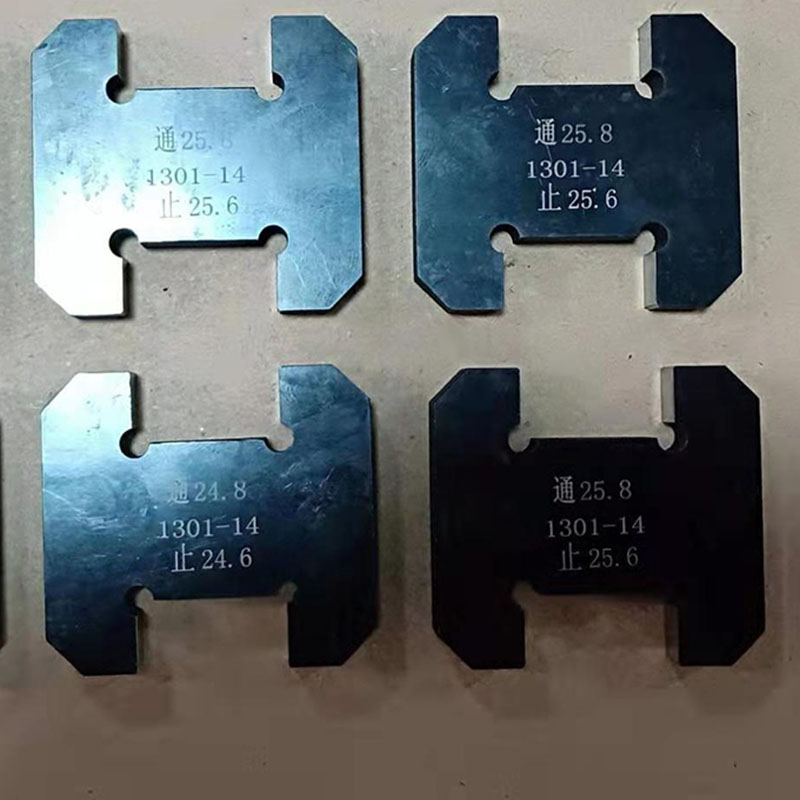
Using Thread Ring Gauge for Precision Measurement and Quality Assurance in Manufacturing
The Importance of a Thread Ring Gauge in Quality Control In the realm of engineering and manufacturi
 English